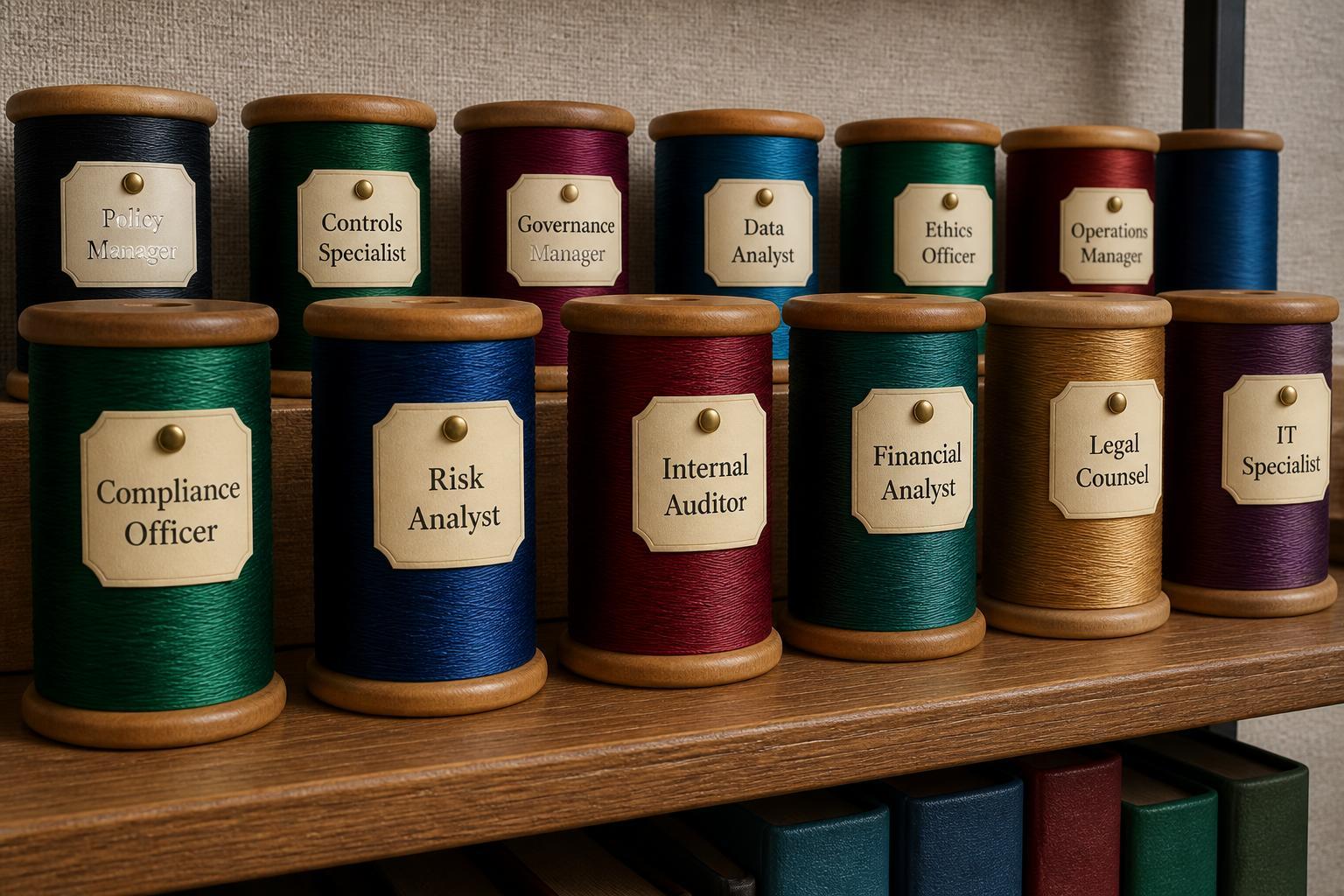
If 23% of companies have deficient AML programs, you need a systematic way to determine which side of that line you're on. This checklist translates regulatory expectations into verifiable compliance states. It's built around two core requirements: role-specific training depth and continuous monitoring mechanisms.
Checklist Overview
This checklist focuses on the operational components of an AML training program under the Bank Secrecy Act and FFIEC BSA/AML Examination Manual requirements. You'll verify that your training meets regulatory standards for content, delivery, role differentiation, and ongoing effectiveness testing. Each item requires a clear yes/no answer based on documented evidence.
Prerequisites
Before using this checklist, confirm you have:
- Current AML compliance program documentation defining roles and responsibilities
- Access to training records for all employees with BSA/AML obligations
- Documentation of your institution's risk assessment
- Testing and audit reports from the past 12 months
- Records of Suspicious Activity Report (SAR) filings and related training triggers
Core Compliance Checklist
1. Role-Specific Training Depth
Have you documented different training requirements for front-line staff, compliance officers, and senior management?
Good looks like: Three distinct training curricula with documented learning objectives. Front-line staff can identify red flags and escalation procedures. Compliance officers understand regulatory requirements and testing protocols. Senior management grasps strategic risk implications and board reporting obligations.
2. Annual Training Completion
Can you produce completion records showing 100% of employees with BSA/AML responsibilities completed training within the past 12 months?
Good looks like: A tracking system that flags upcoming deadlines 30 days in advance, automated reminders, and documented exceptions with remediation plans. No employee performs AML-related duties without current training certification.
3. New Hire Training Timing
Do new employees with transaction access or customer interaction complete AML training before independent work begins?
Good looks like: Training occurs during onboarding, before system access is granted. Documentation shows completion date precedes first unsupervised customer interaction or transaction approval.
4. Regulatory Framework Coverage
Does your training explicitly cover Bank Secrecy Act requirements, USA PATRIOT Act obligations, and your institution's specific regulatory framework (state banking authority, FinCEN guidance, FATF standards if applicable)?
Good looks like: Training materials cite specific regulatory sections. Employees can explain which regulation requires which control. Assessment questions test regulatory knowledge, not just procedural memory.
5. Typology and Red Flag Training
Can employees identify and explain at least five money laundering typologies relevant to your institution's products and customer base?
Good looks like: Training includes structuring (smurfing), trade-based money laundering, funnel accounts, and typologies specific to your risk profile (cash-intensive businesses, international wire activity, prepaid cards). Employees describe what "unusual activity" means in context, not as an abstract concept.
6. SAR Filing Procedures
Can every employee who might observe suspicious activity describe the escalation path and timeline requirements?
Good looks like: Staff know who to contact (by name or role), understand the 30-day filing deadline from detection, and recognize that tipping off is prohibited. Documentation shows escalation contacts are current and tested quarterly.
7. Politically Exposed Person (PEP) Identification
Do customer-facing employees understand PEP definitions and enhanced due diligence requirements?
Good looks like: Training defines domestic and foreign PEPs with examples. Staff can explain why PEP status triggers additional review. Your system flags potential PEPs for compliance review before account opening proceeds.
8. Watchlist Screening Procedures
Have you trained relevant staff on how your watchlist screening operates and what actions to take on potential matches?
Good looks like: Employees understand the difference between true matches and false positives. They know not to proceed with transactions during review. Documentation shows screening occurs at onboarding and on an ongoing basis per your risk assessment.
9. Independent Testing Verification
Has an independent party (internal audit or qualified third party) tested your AML program within the past 12 months?
Good looks like: A written report that evaluates training effectiveness, tests employee knowledge through sampling, reviews training records for completeness, and provides specific recommendations. Management responses to findings are documented with completion dates.
10. Training Content Updates
Can you demonstrate that training materials were updated within the past 12 months to reflect regulatory changes, new typologies, or lessons learned from your institution's experience?
Good looks like: Version-controlled training materials with change logs. Updates triggered by new FinCEN advisories, regulatory guidance, internal SAR trends, or examination findings. Employees who completed training before major updates receive supplemental briefings.
11. Effectiveness Measurement
Do you test whether training actually changes behavior, not just whether employees attended?
Good looks like: Post-training assessments with passing score requirements. Periodic spot-checks where compliance staff review transaction decisions to verify red flag recognition. SAR quality reviews that identify training gaps. Metrics showing improved detection rates or reduced false positive escalations.
12. Board and Senior Management Reporting
Does your board receive annual reporting on training completion rates, testing results, and program effectiveness?
Good looks like: Board minutes documenting AML training metrics. Reports include completion percentages by department, assessment score trends, independent testing findings, and planned improvements. Senior management can articulate training priorities during examinations.
Common Mistakes
Generic training applied uniformly. Tellers need different depth than BSA officers. If everyone receives identical training, you're either under-training specialists or over-training staff with limited responsibilities.
Completion tracking without comprehension verification. Requiring employees to click through slides doesn't meet the "training" standard. Assessments must test understanding, and failures must trigger remediation.
Outdated content. Training developed in 2020 that hasn't incorporated subsequent FinCEN advisories on cryptocurrency, pandemic-related fraud typologies, or beneficial ownership requirements fails the currency test.
No connection between training and monitoring. If your transaction monitoring system generates alerts that employees don't understand or can't investigate properly, your training hasn't addressed your actual risk profile.
Next Steps
After completing this checklist, address any "no" answers with documented remediation plans and completion deadlines. Schedule your independent testing if it's been more than 10 months since the last review. Update your training calendar to ensure continuous coverage as staff turn over or regulations change.
Your AML training program isn't a compliance formality. It's your first line of defense against the legal, financial, and reputational consequences that 23% of companies with deficient programs eventually face. Make each checklist item verifiable, make your training role-specific, and make your monitoring continuous.