The Key Decision
Your authentication layer is the barrier between attackers and your payment systems. As passkeys replace passwords, you face a choice: software passkeys synced through cloud platforms or hardware-bound passkeys that stay on a physical device.
This isn't just theoretical. Software passkeys offer convenience, single enrollment, multi-device access, biometric login. Hardware passkeys provide cryptographic keys locked in a secure element, never exported. The real question is whether this distinction impacts your payment flows.
The answer depends on what you're protecting and from whom.
Why Choose Software Passkeys?
Software passkeys solve the password problem without adding friction. Users enroll once, and credentials sync across devices via Apple, Google, or Microsoft accounts. They authenticate with a fingerprint or face scan. No hardware to carry or lose, no procurement needed.
For read-only access, viewing transaction history, checking balances, pulling reports, this model works. If an attacker compromises a synced passkey, they can view data but can't move money or alter configurations.
Software passkeys integrate smoothly with existing identity providers like Azure AD, Okta, or Auth0. Adding passkey support is a configuration change, not a major project. Users don't need new hardware, and your help desk won't handle "I forgot my token" tickets.
Convenience matters. Requiring hardware authentication for low-risk operations can lead users to find workarounds, share credentials, or push back until requirements are relaxed. Software passkeys eliminate passwords without these adoption battles.
Why Choose Hardware-Bound Passkeys?
Hardware passkeys offer a different security model: non-portability. The private key is generated inside a secure element, similar to what's in payment cards, and never leaves. Authentication requires physical possession of the device.
This setup removes entire attack classes. An attacker can't extract a hardware-bound key from your cloud account. There's nothing to phish, no credential to replay, no token to steal from memory. The key doesn't exist outside the secure element.
Hardware-bound passkeys are used in U.S. government and intelligence settings for a reason. When protecting write operations, initiating wires, changing account configurations, approving high-value transactions, the added security justifies the friction.
The device itself provides attestation. When a user authenticates, the hardware proves it's signing from a valid, uncompromised device. You're verifying both identity and the authentication environment, which is crucial when processing payment instructions.
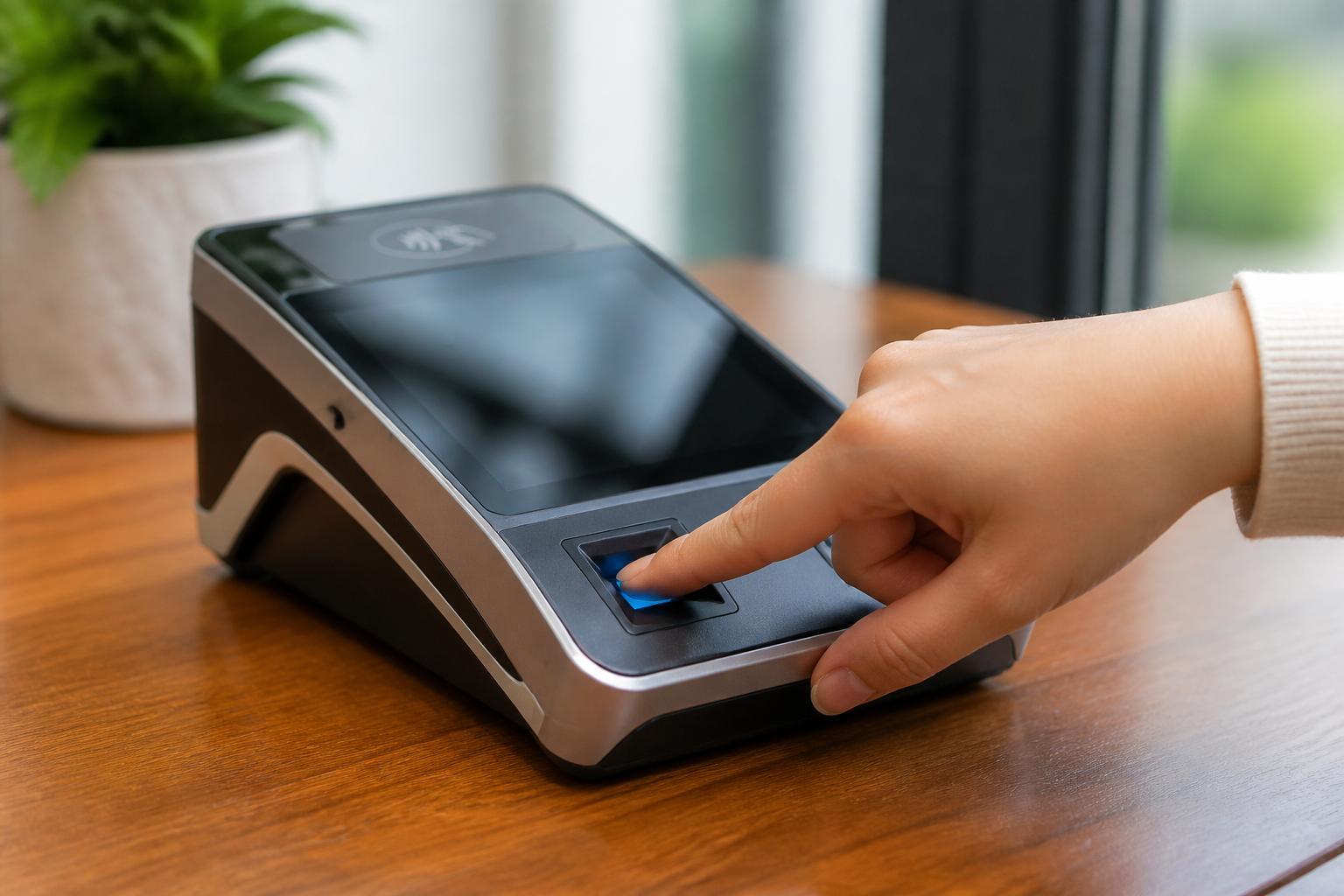
Hardware authentication also addresses fraud in ways software can't. If your card-present flow requires a hardware-backed credential, you've proven physical possession, eliminating many account takeover fraud risks.
Where Most Teams Land
Most payment security teams don't choose one approach exclusively. They implement risk-based authentication that escalates to hardware when needed.
Read privileges remain software-based. Viewing transaction logs, pulling reports, checking status, these operations use synced passkeys. The user experience stays smooth, and the risk is contained.
Write privileges trigger step-up authentication. Initiating a wire, changing payment routing, approving batch transfers, these require hardware. Users tap a physical device or insert a smart card. The added friction matches the risk.
The challenge is integration. Many organizations add hardware passkeys to legacy systems without modernizing the architecture. This can result in hardware tokens authenticating to systems that still accept passwords or don't validate device attestation, adding security theater without changing the threat model.
Effective implementation means treating hardware authentication as part of a modern zero-trust architecture. Your systems need to validate attestation, enforce device health checks, and eliminate legacy authentication paths that bypass the hardware layer.
Our Recommendation
Software passkeys are sufficient for read operations and low-risk workflows. They eliminate password reuse, resist phishing, and integrate with existing identity infrastructure. For most users, most of the time, they're the right choice.
But payment operations require hardware-bound authentication. The risk is too high and the fraud implications too severe to rely on cloud-based credentials. When moving money or altering payment configurations, non-portability is essential.
The tipping point for hardware adoption isn't a single breach or regulatory mandate. It's the accumulation of account takeover fraud, wire fraud losses, and compromised cloud credentials that eventually makes the business case obvious. Waiting for that tipping point often costs more in fraud losses than hardware deployment would.
The practical path forward: implement risk-based authentication using software passkeys by default and escalate to hardware for payment operations. Define clear thresholds, transaction amounts, operation types, user roles, that trigger step-up authentication. Integrate hardware validation into your authentication flow as a native control.
And if you're still debating whether hardware passkeys are worth the effort, calculate the cost of a single wire fraud incident. That number usually settles the question.